Munich History Guide - Landmarks on the Bus Route
Explore Munich's history via the Hop-On Hop-Off bus. We highlight the medieval gates, the royal avenues of the 19th century, and dark history sites.
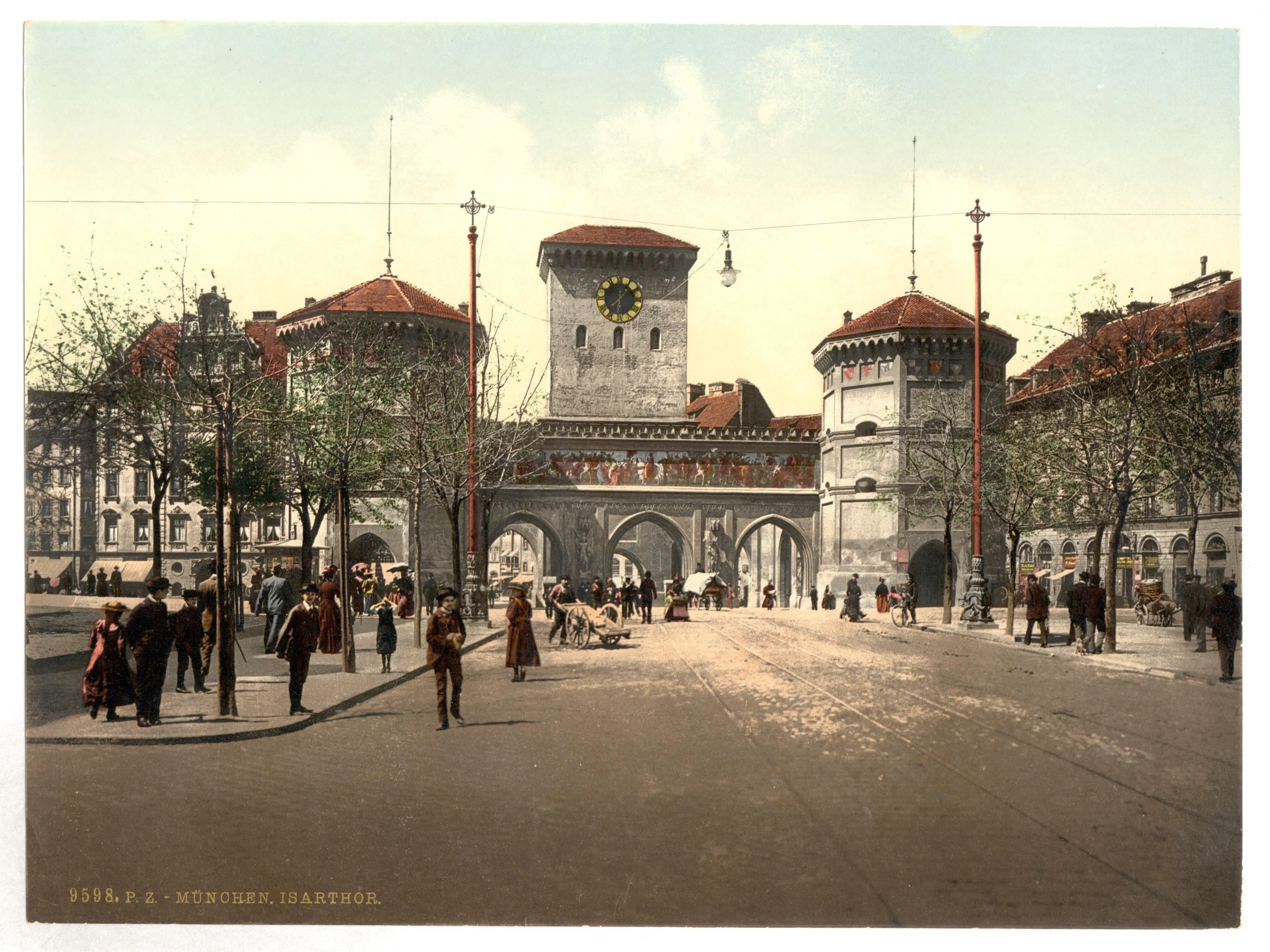
Munich is not just beer and pretzels; it is a city of emperors, kings, revolutions, and dark chapters. The bus route basically follows the timeline of the city.
Medieval Munich (1158 - 1500s)
The city started at Marienplatz.
- The Gates: Watch for the Isartor, Sendlinger Tor, and Karlstor. These are the remains of the old city fortification walls. The bus often passes Karlstor at the Stachus round-a-bout.
- Marienplatz: The layout here is distinctly medieval, focused on the market and the church.
Royal Munich (1800s)
This is the Munich of wide boulevards. King Ludwig I wanted to make Munich the "Athens on the Isar."
- Ludwigstraße: As the bus drives down this massive avenue (towards the University), notice the consistent architecture. It was built to impress.
- Königsplatz: A square designed to look like a Greek Acropolis, housing the Glyptothek (sculpture museum). It radiates neo-classical power.
- The Residence: The sprawling palace complex in the city center.
The Darkest Chapter (1930s-40s)
Munich was the "Capital of the Movement" for the Nazis.
- Feldherrnhalle (Odeonsplatz): Site of the failed Beer Hall Putsch.
- Haus der Kunst: The bus passes this massive, severe building near the English Garden. It was built by the Nazis as a "Temple of German Art" and survives today as a contemporary art museum—a complex legacy.
- Platz der Opfer des Nationalsozialismus: A small square with an eternal flame passed by the bus, dedicated to the victims of National Socialism.
The Phoenix (Post-War)
- Olympiapark: As mentioned in other posts, the 1972 park was Germany's way of showing a new, open face to the world after the war.
- BMW Welt: Represents the modern economic powerhouse that Bavaria has become.
Listening to the audio guide while passing these layers gives you a profound sense of how Munich has constantly reinvented itself while preserving its scars and its beauty.
About the Author

Historian Hans
This guide is crafted to offer a transparent, practical look at Munich's hop-on hop-off services, helping you navigate the city's geography and choose the best way to explore its rich history and modern vibrancy.
Tags
Comments (0)
Loading comments...